滋賀県
Shiga
Sake in Shiga
Shiga Prefecture lies almost in the center of the Japanese archipelago. At its center is Lake Biwa, which covers about one-sixth of the prefecture's area. The Shiga Sake Brewers Association has 30 member breweries in the prefecture (as of October 2026). In April 2022, “Shiga” was designated under the geographical indication (GI) system, which protects the names of sake-producing regions. It covers sake made only from rice, rice koji and water, using only rice harvested in Shiga Prefecture and water taken in the prefecture. Its condition is a rich sweetness and umami that come from the rice. Within the gentle sweetness and umami, a firm acidity can also be felt, and it can be enjoyed both chilled and warmed.
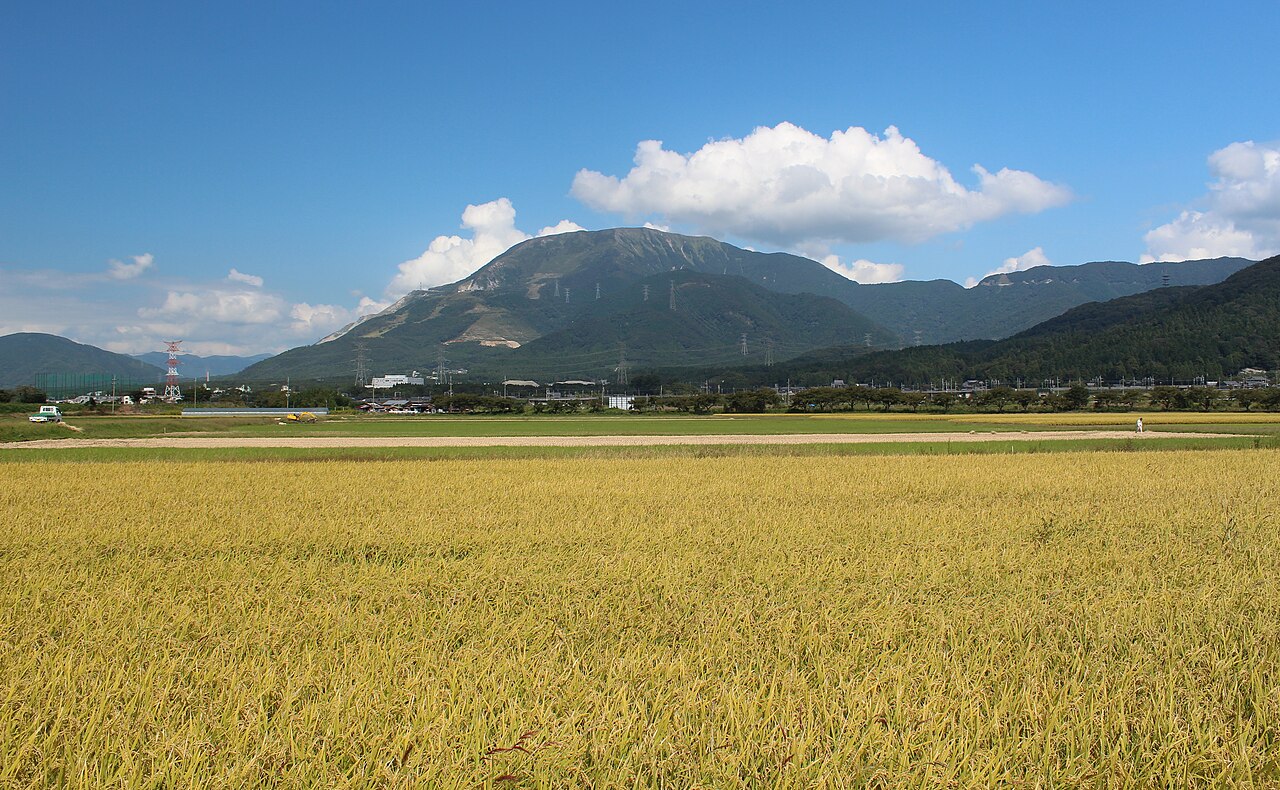
Lake Biwa is surrounded by mountains around 1,000 m high, such as the 比良, 比叡 and Ibuki mountains and the 鈴鹿山脈 range. About 460 rivers, large and small, flow from these mountains into Lake Biwa, and the soil they carried created fertile, well-drained land. The abundant underground water from these mountains has long been used to grow rice known as “近江米” and has also been used for sake brewing. With the difference between day and night temperatures typical of a basin, rice varieties suited to sake brewing (shuzo kotekimai) such as “Ginfubuki,” “Tamasakae” and “Yamada Nishiki” are widely grown. In winter, the deep basin cold (sokobie) lets the sake ferment gently.
Shiga's history of sake brewing is long: in the Muromachi period, “僧坊酒” (sake brewed at Buddhist temples) from a temple called 百済寺 was recorded in official diaries and other documents. In the Edo period, people and goods traveled along roads such as the Tokaido, the Nakasendo and 若狭街道 and across the lake, and sake brewing flourished along the roads and in the post towns. The “近江商人,” merchants from this region who traded all over Japan, also brewed sake in many places, and breweries with roots in these merchants still exist in various parts of Japan. In the Meiji era, “北国屋,” which introduced Noto toji (master brewers) to breweries, was set up in Otsu City, and many Noto toji made sake at Shiga's breweries. In 2004, “滋賀渡船6号,” which had been a recommended sake rice variety of the prefecture until 1959, was revived, and it is now used as an ingredient for sake by breweries in the prefecture.
Brewery map
Breweries by municipality (dot size shows the number of breweries)Featured breweries
- Tomita Shuzo 冨田酒造Nagahama
The 40 breweries on our list are grouped by the municipality where they are located. Each dot marks a representative point of the municipality, not the brewery itself (featured breweries are shown at their actual locations). Locations are based on the address search of the Geospatial Information Authority of Japan.
Featured breweries
- Tomita Shuzo 冨田酒造Shichihonyari 七本鎗NagahamaRead the article