広島県
Hiroshima
Sake in Hiroshima
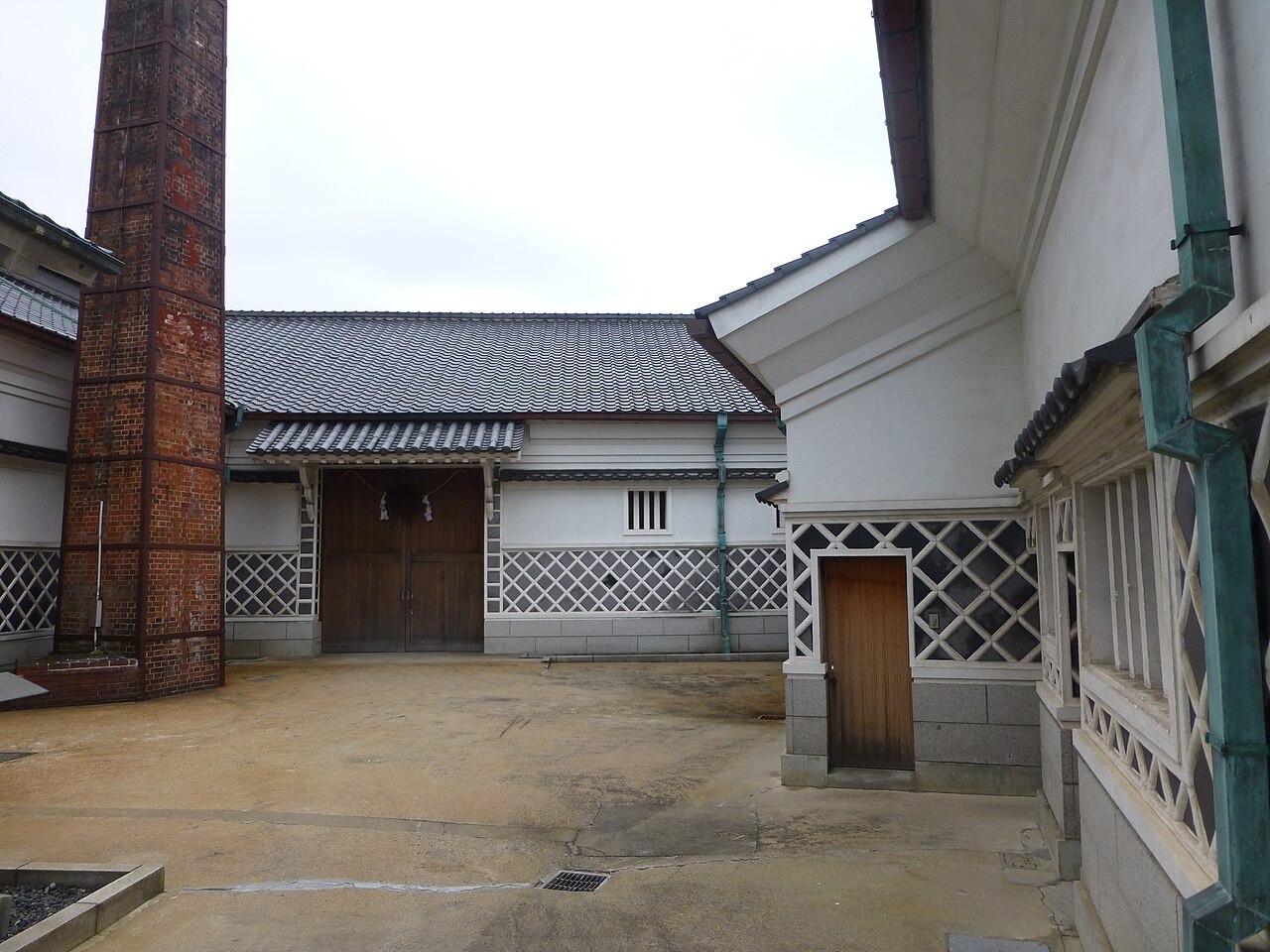
Hiroshima Prefecture lies in the Chugoku region and faces the Seto Inland Sea. In the one year from July 2024 to June 2025, sake was made at 36 places in the prefecture. In Saijo, Higashihiroshima City, the “Sake Matsuri” (Sake Festival) is held every October. It combines the “Saijo Sake Matsuri,” held by the Saijo Sake Brewers Association from around 1972, with a citizens' festival that began in 1979, and in 2026 it will be held on October 10 and 11. Higashihiroshima City is also home to the National Research Institute of Brewing, the national research body for alcoholic beverages.
The person who changed how Hiroshima sake is made was Senzaburo Miura. Miura studied how to brew with soft water (water low in minerals), which had been considered unsuitable for sake brewing, and set out his methods in 1898 in “改醸法実践録” (A Practical Record of Improved Brewing Methods). This way of brewing led to the later birth of ginjo-shu (sake made by polishing away the outer 40% or more of the rice grain and adding a small amount of brewer's alcohol). Riichi Satake, who founded Satake Seisakusho (now Satake), developed Japan's first power-driven rice polishing machine and raised the quality of ginjo-shu brewing.
The prefecture has also supported sake brewing. In 1918 a brewing department was set up at the prefectural industrial research institute, and the Food Technology Research Center, which carries on that line, still does trial brewing every year from October to December. The sake is sold under the name “明魂” around October each year. As for rice, the prefecture has bred rice varieties suited to sake brewing (shuzo kotekimai) such as “Hattan Nishiki No. 1” (registered as a variety in 1984) and “Senbon Nishiki” (registered in 2002). In March 2026, “Moe Ibuki,” whose quality is less likely to drop even when grown in high summer heat, was registered as a variety.
Brewery map
Close-up (Higashihiroshima)
Breweries by municipality (dot size shows the number of breweries)Featured breweries
- Aihara Shuzo 相原酒造Kure
- Hakubotan Shuzo 白牡丹酒造Higashihiroshima
- Kamotsuru Shuzo 賀茂鶴酒造Higashihiroshima
The 49 breweries on our list are grouped by the municipality where they are located. Each dot marks a representative point of the municipality, not the brewery itself (featured breweries are shown at their actual locations). Locations are based on the address search of the Geospatial Information Authority of Japan.
Featured breweries
- Aihara Shuzo 相原酒造Ugonotsuki 雨後の月KureRead the article
- Kamotsuru Shuzo 賀茂鶴酒造Kamotsuru 賀茂鶴Higashihiroshima
- Hakubotan Shuzo 白牡丹酒造Hakubotan 白牡丹Higashihiroshima