石川県
Ishikawa
Sake in Ishikawa
Ishikawa Prefecture lies in the middle of the Hokuriku region, and its northern part juts out into the Sea of Japan as the Noto Peninsula. The Ishikawa Federation of Sake Brewers Associations has 32 members (as of April 1, 2026). In December 2005, sake made in Hakusan City was designated under the geographical indication (GI) system, which protects the names of sake-producing regions, as “Hakusan.” It was the first designation for sake, and it covers only Hakusan City, not the whole prefecture. Its condition is a rich body that makes the most of the umami of the rice.
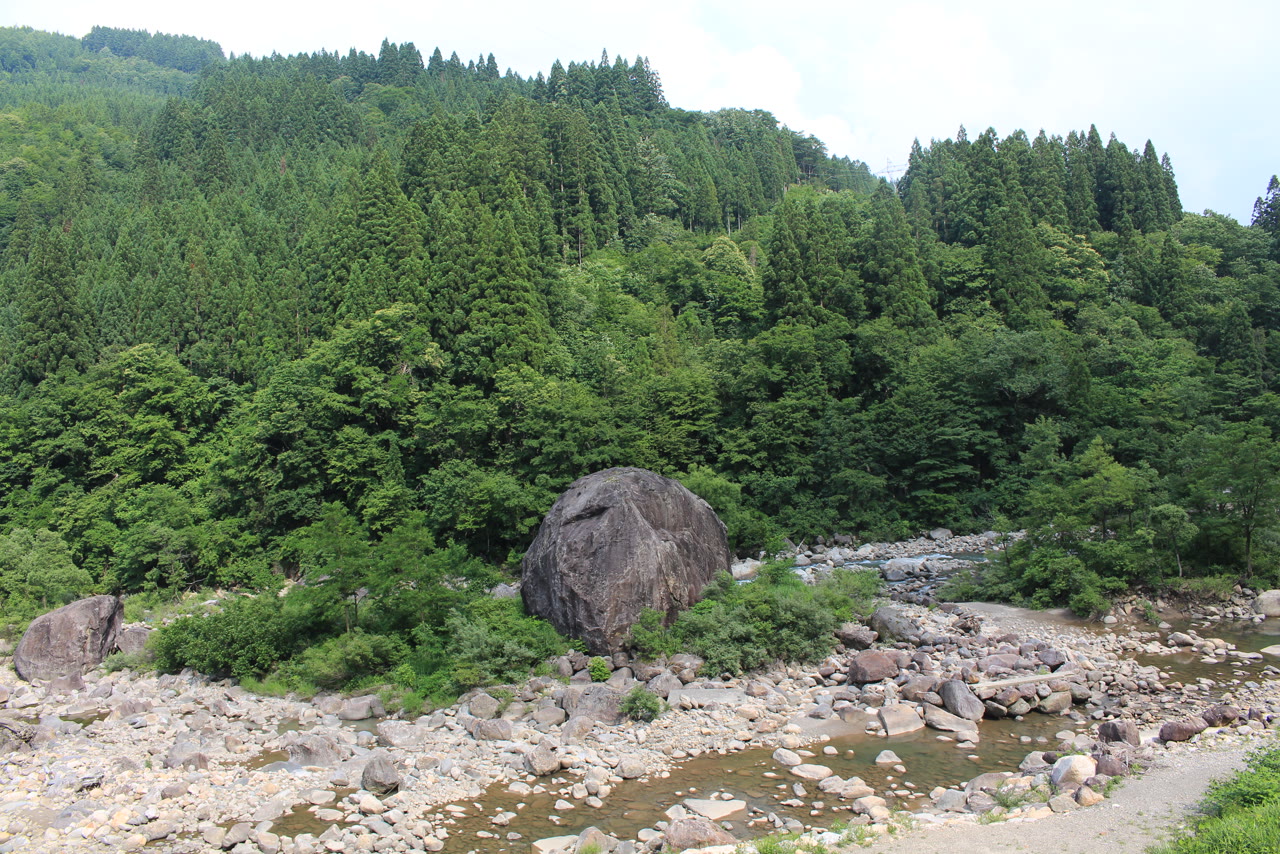
In the Kaga region in the south, rivers flowing out of steep mountains, whose highest peak is Mount Hakusan, have formed the plains. Hakusan City sits on the alluvial fan of the Tedori River, which has its source on Mount Hakusan, and is blessed with underground water (water that soaks into the ground and flows beneath it). This water contains a lot of calcium and little potassium. As a result, fermentation proceeds gently while the rice dissolves well, and this has given Hakusan sake its rich body.
Sake brewing in Hakusan has a long history: the 1527 diary of the court noble Yamashina Tokitsugu records bringing “kikuzake” (chrysanthemum sake) from Hakusan to Kyoto. The “Noto toji,” a group of toji (master brewers) whose home is the Noto Peninsula, including Noto Town, make sake at breweries all over Japan. As for rice, the prefecture's Agriculture and Forestry Research Center spent 11 years developing “Hyakumangoku no Shiro,” a rice variety suited to sake brewing (shuzo kotekimai). It is a variety that resists cracking even when much of the outside of the grain is polished away.
Brewery map
Close-up (Hakusan)
Close-up (Kanazawa)
Breweries by municipality (dot size shows the number of breweries)Featured breweries
- Noguchi Naohiko Kenkyujo 農口尚彦研究所Komatsu
- Yoshida Shuzoten 吉田酒造店Hakusan
- Kikuhime 菊姫Hakusan
- Fukumitsuya 福光屋Kanazawa
- Yachiya Shuzo やちや酒造Kanazawa
The 37 breweries on our list are grouped by the municipality where they are located. Each dot marks a representative point of the municipality, not the brewery itself (featured breweries are shown at their actual locations). Locations are based on the address search of the Geospatial Information Authority of Japan.
Featured breweries
- Yoshida Shuzoten 吉田酒造店Tedorigawa 手取川 / 吉田蔵HakusanRead the article
- Fukumitsuya 福光屋Kagatobi 加賀鳶 / Fukumasamune 福正宗Kanazawa
- Yachiya Shuzo やちや酒造Kagatsuru 加賀鶴Kanazawa
- Kikuhime 菊姫Kikuhime 菊姫Hakusan
- Noguchi Naohiko Kenkyujo 農口尚彦研究所Noguchi Naohiko Kenkyujo 農口尚彦研究所Komatsu