鳥取県
Tottori
Sake in Tottori
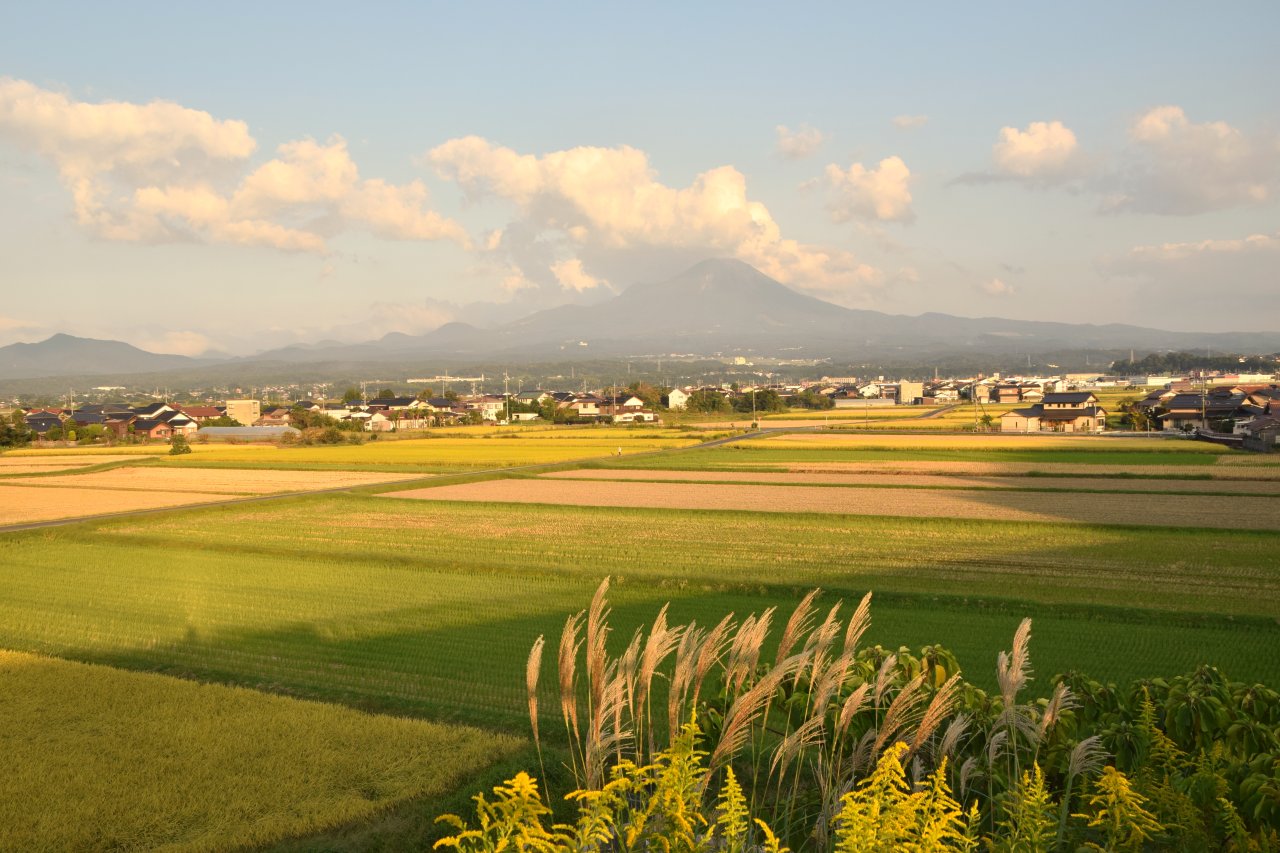
Tottori Prefecture faces the Sea of Japan to the north, and to the south the Chugoku Mountains, including Daisen, stretch about 100 km from east to west, making it a long, narrow prefecture between sea and mountains. In the one year from July 2024 to June 2025, sake was made at 11 places in the prefecture. In October 2025, “Tottori” was designated under the geographical indication (GI) system, which protects the names of sake-producing regions. It covers sake made only from rice, rice koji and water (junmai-shu), using only rice harvested in Tottori Prefecture and water taken in the prefecture. Its condition is that it is soft in the mouth overall and brings out the rich umami of the rice. While it has a clean finish, the umami of the rice can be clearly felt, and much of it is sake whose flavor stands out when warmed.
Water and the winter climate support this taste. In winter, cold, dry seasonal winds from Siberia pick up moisture over the Sea of Japan and bring rain and snow as they climb the Chugoku Mountains. Rain and snow falling on land that includes forests of beech and Mongolian oak are filtered through layers formed from volcanic deposits and become soft, clear underground water and groundwater. This soft water, containing a moderate amount of minerals, gives Tottori's sake its soft feel in the mouth. Because winter brings many cloudy days, nights are not bitterly cold, and the small difference between day and night temperatures also makes it easier to manage the fermentation of the moromi (the fermenting mash that becomes sake).
The spread of junmai-shu making in Tottori began in 1967. 上原浩, a former appraiser at the Hiroshima Regional Taxation Bureau who was in charge of alcoholic beverages at a prefectural research body, proposed to breweries in the prefecture that they return to the origin of sake, made from rice and water. Breweries that agreed took up junmai-shu made by polishing the rice well and fermenting it at low temperatures, the first in the prefecture to do so after the war. The circle gradually widened, and by around the early 1980s almost every brewery was making junmai-shu. As for rice, “Goriki,” a rice variety native to Tottori that is suited to sake brewing (shuzo kotekimai), is used. It is a large-grained variety with a shinpaku, a white-looking part at the center of the grain. It was a recommended variety of the prefecture from 1921 to 1945, but because it grows tall and falls over easily, it disappeared for a time. In 1989 it was revived from a small amount of seed rice kept at Tottori University, and today many breweries in the prefecture use it.
Brewery map
Breweries by municipality (dot size shows the number of breweries)Featured breweries
- Chiyomusubi Shuzo 千代むすび酒造Sakaiminato
The 19 breweries on our list are grouped by the municipality where they are located. Each dot marks a representative point of the municipality, not the brewery itself (featured breweries are shown at their actual locations). Locations are based on the address search of the Geospatial Information Authority of Japan.
Featured breweries
- Chiyomusubi Shuzo 千代むすび酒造Chiyomusubi 千代むすびSakaiminatoRead the article